Just a Girl Who Loves T-Shirt Design
A Designer’s First Look: Charm Without Clutter
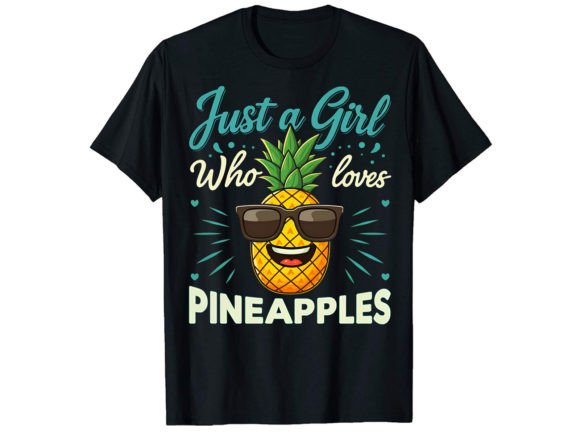
When I opened Just a Girl Who Loves T-Shirt Design, my first thought wasn’t “cute”—it was “clear.” The composition breathes. There’s no visual noise, no overworked embellishment—just confident lettering, gentle curves, and balanced negative space. It reads like handwriting with intention: relaxed but not sloppy, friendly but not childish. As an embroidery designer who’s stitched hundreds of text-based motifs for boutiques and Etsy sellers, I immediately sensed its versatility—not because it shouts “use me everywhere,” but because it knows when to hold back.
Real-World Test: A Custom Embroidered Tote for a Local Bookstore Pop-Up
Last week, I used Just a Girl Who Loves T-Shirt Design on a natural canvas tote for a neighborhood indie bookstore’s summer launch. We chose medium-weight unbleached cotton, a tear-away stabilizer, and soft peach thread against the warm beige fabric. The result? Clean satin-stitched letters that held shape without stiffness, legible at arm’s length but still whisper-soft to the touch. Customers paused—not just to read it, but to *feel* it. That’s the quiet strength of this design: it supports the product instead of competing with it.
Where It Shines—and Where It Needs Care
Just a Girl Who Loves T-Shirt Design works beautifully on stable, medium-to-heavy fabrics: sweatshirt fleece, twill aprons, structured caps, denim jackets, and pillow covers. Its open letterforms translate well into fill stitch and satin stitch without trapping lint or distorting on stretchy knits. On baby onesies? Yes—but only with lightweight cutaway stabilizer and reduced stitch density (check your machine settings before finalizing). On dark fabric? Absolutely—just confirm your thread contrast is strong enough in mockups; the design’s generous spacing prevents muddiness.
Proceed with extra attention on:
- Curved surfaces like baseball caps—hoop carefully and consider splitting the phrase across two smaller sections if your cap frame limits hoop size;
- Thin or delicate fabrics like rayon challis or silk-blend tea towels—test stitch tension and use topping film;
- Tiny hoops under 4”—the current layout assumes comfortable breathing room; shrinking it risks losing clarity in the lowercase “a” and “e” counters;
- Frequent-wash items like kitchen towels or kids’ tees—reinforce with a light zigzag or heat-press backing if selling commercially.
Design Integrity in Action
This isn’t just a graphic—it’s a machine embroidery design in spirit, even though what’s delivered is a PNG. Why does that matter? Because its proportions, stroke weight, and kerning were clearly built with stitch behavior in mind. Letters don’t pinch or crowd. Corners are rounded—not sharp—so satin stitches flow cleanly. There’s no fine hairline detail that would vanish in fill stitch or blur on a finished embroidered patch. That means less editing, fewer test runs, and more confidence when quoting clients or listing on Etsy.
What It Adds to Your Handmade Product
For craft business owners, Just a Girl Who Loves T-Shirt Design quietly lifts perceived value. It doesn’t scream “trendy”—it feels timeless enough for a bridal shower gift, grounded enough for a teacher appreciation tote, and personal enough for a mom-and-me matching set. Customers recognize sincerity in simplicity. When you embroider this on a linen pillow cover or a heavyweight hoodie, it reads as intentional—not templated. That builds trust. That encourages repeat orders. That makes your small shop product feel curated, not copied.
Practical Notes Every Embroidery Designer Should Check
Before stitching your first finished product:
- Test on scrap fabric—same weight and weave as your final piece;
- Review thread color contrast in both light and dark mockups (the included printable mockup helps here);
- Confirm stitch density visually—if it looks heavy in the preview, reduce fill % by 5–10%;
- Inspect corners and inner curves for potential puckering—adjust underlay if needed;
- Use appropriate stabilizer: cutaway for knits, tear-away for stable wovens, topping for napped fabrics;
- Check licensing—since only a PNG and mockup are included, verify whether commercial use of the digital embroidery file version (if converted) is permitted;
- Compare how it reads at 8”, 12”, and 16” hoop sizes—scaling impacts rhythm and impact.
Beyond the T-Shirt: Unexpected Fits
Don’t limit Just a Girl Who Loves T-Shirt Design to apparel. I’ve seen it elevate holiday embroidery on linen napkins, add warmth to nursery decor stitched onto organic cotton blankets, and anchor minimalist branding on ceramic mug sleeves. It’s equally effective as a standalone motif on a patch or layered subtly behind a monogram on a custom apron. For Etsy sellers, it pairs naturally with neutral palettes and earthy textures—think oatmeal linen, charcoal French terry, or ivory canvas. It doesn’t demand attention. It earns it.
A Final Thought for Creative Entrepreneurs
In a market flooded with overdesigned graphics, Just a Girl Who Loves T-Shirt Design stands out by doing less—and doing it well. It’s not flashy. It’s not “viral.” But it’s reliable, adaptable, and human-scaled. Whether you’re stitching a single personalized gift or building a cohesive line of boutique merchandise, this design supports your voice instead of overriding it. That’s rare. And that’s why, after years of reviewing T-Shirt Designs and Graphics for real-world embroidery use, I keep coming back to this one—not as a trend, but as a tool.